How to Say Paid Social Success in Spanish
3/12/2026
Spanish Has Never Been More Visible in Pop Culture — And Live Event Marketing Is Poised to Benefit
The Spanish language has never been more relevant—or more visible—in global pop culture.
From Latin music dominating streaming charts to Spanish-language content spreading across TikTok, YouTube, and Instagram, Spanish has become a defining cultural force shaping entertainment and digital media. Artists like Bad Bunny, Karol G, and Peso Pluma regularly top global charts, while Spanish-language content travels seamlessly across borders through social platforms.
That cultural influence is reflected in the scale of Spanish-speaking audiences in the United States. Today, more than 42 million people in the U.S. speak Spanish at home, making it the country’s largest non-English language. When including bilingual households and second-generation families, the number of Americans with Spanish-language proficiency exceeds 60 million people.
The audience is also growing. Over the past five years, the Hispanic population in the U.S. has increased by 5 million people, and Hispanics now represent nearly one in five Americans. Economically, the community holds an estimated $2.7–$4.1 trillion in purchasing power.
Despite this growing cultural influence and audience engagement, marketing investment still lags the scale of the opportunity. Hispanic consumers represent nearly 20% of the U.S. population, yet total U.S. multicultural advertising spend reached $45.8 billion in 2024, with Hispanic audiences accounting for the majority—but still not fully reflecting the market’s influence on sports, entertainment, and media.
Understanding Cultural Nuances Is Key
While Spanish-speaking audiences are often discussed as a single demographic group, the Spanish-speaking population in the United States is incredibly diverse. Mexican Americans represent the largest segment, accounting for roughly 60–62% of the U.S. Hispanic population, followed by communities from Puerto Rico, Cuba, El Salvador, the Dominican Republic, Guatemala, and Colombia, along with growing populations from countries such as Venezuela, Honduras, Ecuador, and Peru. Add to that Spanglish, which provides its own cultural relevance, and being able to authentically connect with fans is far from simple.
At FanIQ, we work with leagues, teams, and events that are prioritizing Spanish-speaking audiences as part of their growth strategies. Our work with Leagues Cup, which brings together MLS and Liga MX clubs, taps into cross-border soccer traditions that span generations of fans, as well as events like Houston Livestock Show & Rodeo, where music, regional identity, and live entertainment resonate strongly with Hispanic audiences across Texas and the Southwest. Check us out at faniq.one
At the team level, partners like the LA Galaxy have seen success with marketing to Spanish-speaking fans and are building deeper connections with local Hispanic communities through supporter culture, community events, and bilingual fan engagement.
Spanish Speaking Audience Are Younger and More Digital
Another factor shaping Hispanic consumer behavior is age. The Hispanic population in the United States is significantly younger than the overall U.S. population, with a median age of roughly 30 compared to about 38 nationally. In fact, more than one in four Gen Z Americans identifies as Hispanic, making the community one of the fastest-growing segments of the next generation of consumers.
This younger demographic profile has important implications for sports, entertainment, and live events. Younger consumers tend to be more digitally connected, more socially driven in their discovery habits, and more likely to participate in experiences that combine entertainment, culture, and community.
At the same time, Hispanic households are typically larger and more family-oriented than the national average. U.S. Census data shows the average Hispanic household has about 3.2 people, compared with roughly 2.5 people across the overall U.S. population. Households where Spanish is spoken at home often skew even larger due to multigenerational living arrangements and strong family-centered traditions.
Hispanic audiences are among the most digitally engaged consumers in the United States, making social media a powerful engine for sports culture.
Approximately 88% of Hispanic adults use YouTube, while 74% use Facebook and around 62% use Instagram. Short-form video platforms have grown rapidly, with about 57% using TikTok, while WhatsApp reaches roughly 56% of Hispanic adults and plays a major role in sharing content within family and community networks.
For live event marketers, it’s important to have a balanced multi-platform strategy that allows you to test and learn across different channels and audience segments. FanIQ.One helps enable this by providing unified reporting across platforms, allowing marketers to test creative, messaging, and targeting strategies across multiple channels while understanding how Hispanic audiences engage throughout the funnel. Check us out at faniq.one
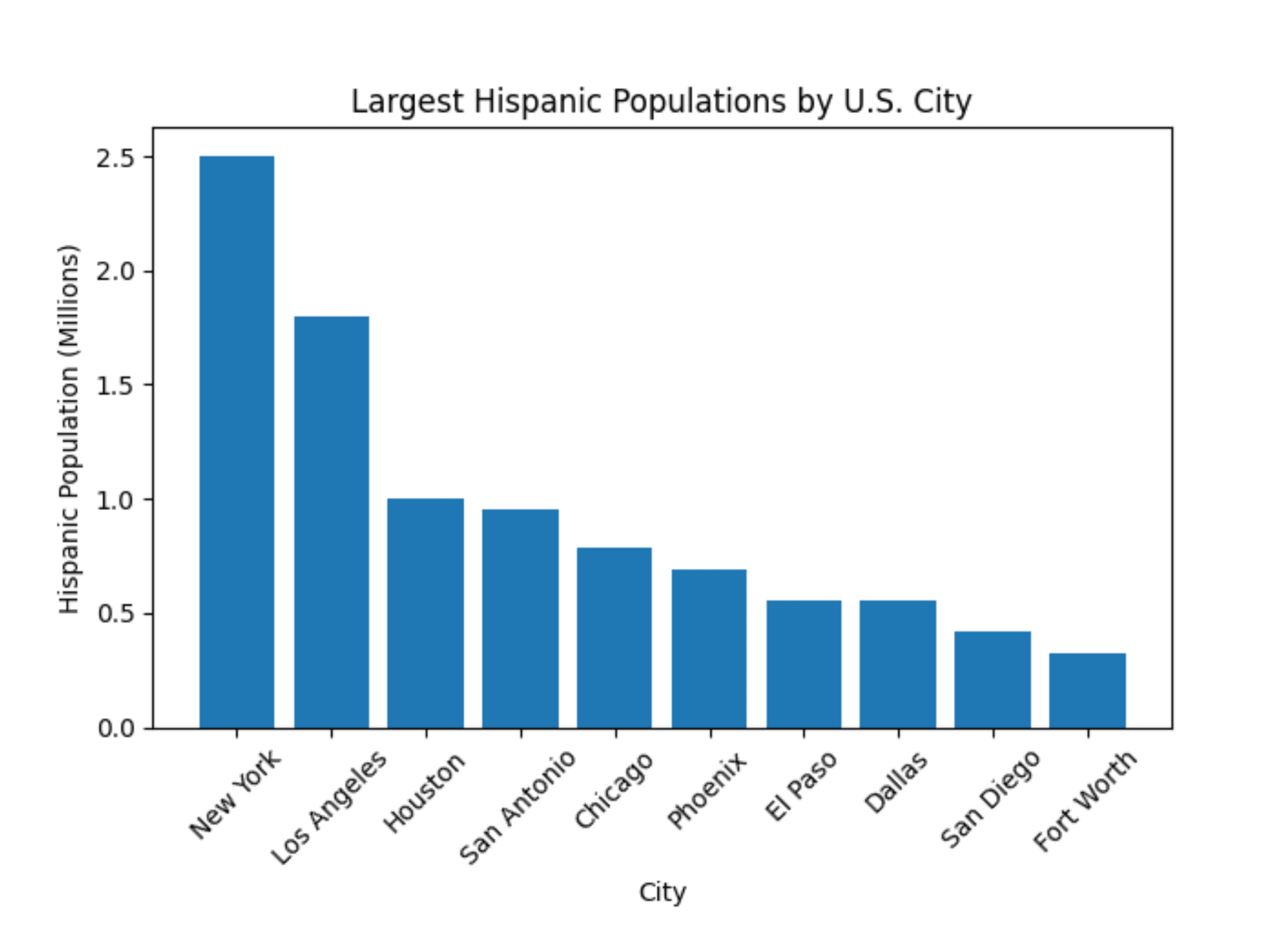
Where Hispanic Audiences Are Concentrated
Many of the largest Hispanic populations in the United States are concentrated in major metropolitan areas such as New York, Los Angeles, Houston, San Antonio, Chicago, Phoenix, Dallas, and San Diego—cities that also serve as key sports and entertainment markets.
These cities frequently host major international events that draw large Spanish-speaking audiences. The 2026 FIFA World Cup, for example, will bring matches to cities like Los Angeles and Houston, while tournaments such as Copa América and Leagues Cup create cross-border moments that resonate with fans across the Americas.
But engagement with Hispanic audiences doesn’t only happen at global sporting events.
Across these same cities, community cultural festivals play an equally important role in connecting with diaspora audiences tied to specific countries and cultural traditions.
In 2026 Sports Biz Crosses The Borders
The cross-border strategy continues to evolve and grow as a feature of many events and tournaments, like the Leagues Cup, with select matches to be played in Mexico for the first time. The tournament will run Aug. 4–Sept. 6 following the 2026 FIFA World Cup, which itself will be hosted across the United States, Mexico, and Canada and include host cities with large Hispanic populations such as Los Angeles, Houston, Dallas, and New York/New Jersey.
Together, these events highlight the scale of cross-border soccer fandom and how leagues are expanding competitions across borders to engage Spanish-speaking audiences throughout North America and Latin America.
This expansion across the border complements what is already a robust focus on integrating Latin culture via events like the Phoenix Suns' Día de los Muertos Night, which brings the Footprint Center to life with folklórico dancers, live Spanish music, and dance teams adorned in traditional "calavera" face paint. Similarly, the San Antonio Spurs elevate the aesthetic of the game through their Día de los Spurs event, debuting Statement Edition uniforms that weave sugar skull motifs and intricate "papel picado" designs directly into the fabric of the team’s identity. From "Por La Cultura" clinics to stadium takeovers featuring local culinary staples, these nights move beyond simple entertainment to offer a platform for authentic representation and an opportunity to leverage paid social media to connect with fans authentically on the platforms where they’re most engaged.
In 2026 Music Biz Spanish > Country
The U.S. Latin live events landscape is currently defined by a "barbell" growth pattern, scaling rapidly at both the stadium level and the community core. At the top of the market, Latin touring has evolved from a niche category into a dominant economic force, now accounting for 15.8% of the top 100 U.S. touring grosses and ranking as the third-largest genre behind only pop and rock. This "explosive growth"—marked by a 37% revenue surge in 2024—is mirrored at the grassroots level by the proliferation of community cultural festivals. Events like Ecuafest Orlando and dozens of Ecuadorian heritage celebrations across New York, Florida, and California represent a powerful network of diaspora festivals that draw thousands of highly engaged attendees through a blend of music, food, and cultural pride.
As this market matures, a specialized supporting ecosystem has emerged to bridge the gap between global superstars and local promoters. While major tours dominate headlines, independent festivals are increasingly powered by platforms like Tickeri, a Spanish-language marketplace focused on Latin events, alongside general tools like Eventbrite and Dice. This fragmentation across multiple ticketing platforms highlights a massive, high-intent audience that is often harder to track but represents a premier marketing opportunity. For brands, the synergy between multimillion-dollar stadium gates and the deep loyalty of community-based festivals offers a unique dual-entry point into one of the most vibrant sectors of the U.S. live events economy.
FanIQ One helps organizations across both sports and music and tracks ticket sales and demand signals across these platforms, as well as Ticketmaster, AXS, SeatGeek, Vivenu, and other key ticketing platforms that are the gateway to large-scale live events. With plans starting at $250 per month, FanIQ makes multi-platform, data-driven marketing accessible to promoters of all sizes—from local cultural festivals to regional concerts and sporting events. Check us out at faniq.one
The Audiences Within the Audience
One of the biggest misconceptions about Hispanic marketing is treating the community as a single demographic group. In reality, it is made up of dozens of overlapping lifestyle communities, many of which intersect with sports and live entertainment in unique ways.
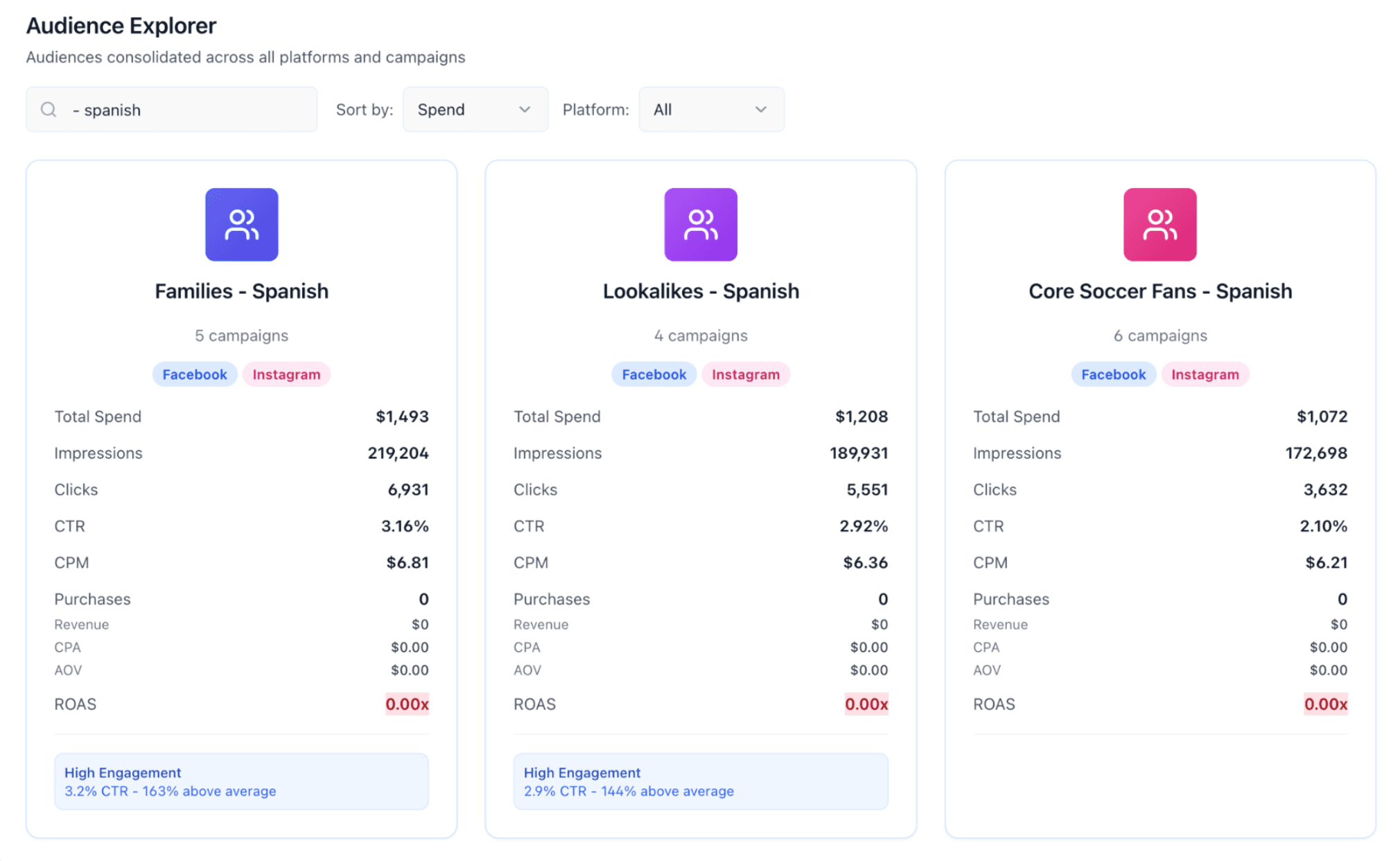
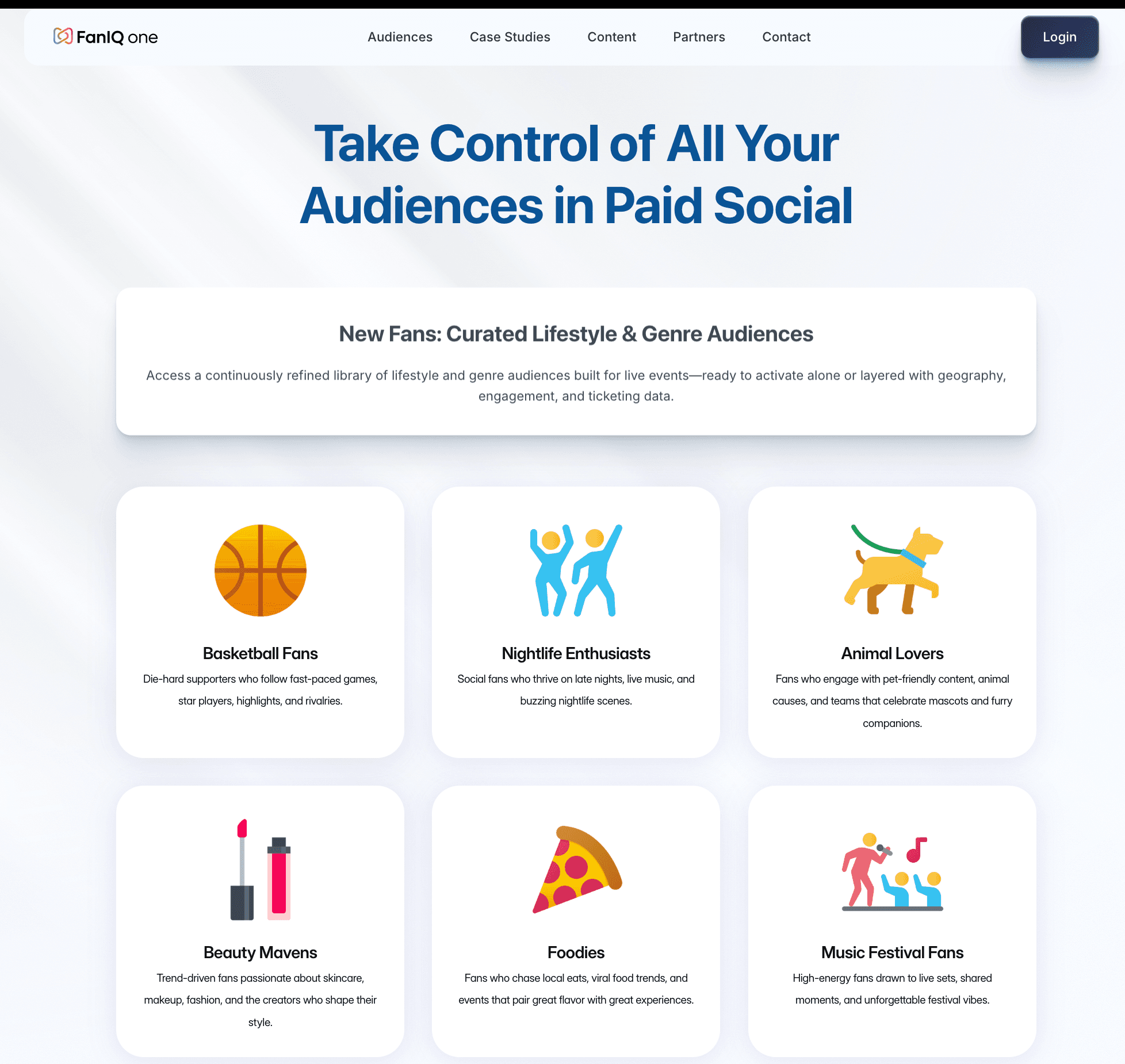
Through our work at FanIQ, we’ve developed more than 50 curated lifestyle audiences that help brands and teams connect with fans based on their passions—not just demographics.
Within Hispanic fan bases alone, we frequently see engagement from audiences such as:
-Families and multi-generational sports fans
-Students and Gen Z supporters
-Sneakerheads and streetwear communities
-Gamers and esports audiences
-Beauty and lifestyle communities
-Latin music fans and entertainment audiences
-Fitness and wellness enthusiasts
-Soccer supporter groups and ultra fan cultures
Beyond the US: Global Spanish-Speaking Fans
While the Hispanic market in the United States is enormous on its own, teams and leagues increasingly recognize that Spanish-speaking audiences extend far beyond U.S. borders.
Globally, there are more than 480 million Spanish speakers, making it one of the largest language communities in the world—and one of the most passionate sports audiences.
This reality is reshaping how leagues and clubs think about growth. In leagues like the NBA, the expansion of international sponsorship inventory reflects this shift, creating new revenue opportunities tied to global fan engagement. As a result, teams are increasingly focused on reaching audiences not just in their local markets, but around the world. The NFL has also leaned into international growth, playing regular-season games in Mexico and expanding its international series to engage Spanish-speaking fans throughout Latin America.
Social media makes this expansion possible. Platforms like YouTube, Instagram, TikTok, Facebook, and WhatsApp dominate across Latin America, allowing teams to reach fans in Mexico, Colombia, Argentina, and beyond instantly.
A highlight posted in Los Angeles or Houston can become a shared moment across Latin America within minutes.
The biggest takeaway for live event marketers and event organizers is simple, but far from easy: participate in the cultural conversation in a way that makes your event or brand feel relevant and authentic. FanIQ can help partners take control of how they leverage paid social to reach this critical and growing audience.
